The Crisis

Plastics have long posed one of the greatest environmental challenges in our society, persisting in ecosystems for centuries and fueling a global waste crisis. While recycling offers some relief, it is often energy-intensive and limited in scope. (And surprisingly not everyone recycles!!) New research, however, sheds light on an unexpected solution: microbes that can break down plastics in the cold.

The Solution

According to an article in The Guardian, scientists from the Swiss Federal Institute WSL have uncovered 19 bacterial and 15 fungal strains in alpine and Arctic environments capable of breaking down certain biodegradable plastics at just 15 °C (59 °F)—a much lower temperature than the typical requirement of over 30 °C for such microbial activity. These microbes were isolated from plastic samples buried in locations across Greenland, Svalbard, and Switzerland, then cultured in the lab in darkness at 15 °C, where they showed abilities to degrade polyester‑polyurethane (PUR) and blends of PBAT and PLA, but not conventional polyethylene (PE). Particularly notable were two previously uncharacterized fungi—genera Neodevriesia and Lachnellula—that were effective against all tested biodegradable plastics except PE.This discovery suggests a promising, lower-energy pathway toward industrial enzymatic recycling of biodegradable plastics. The identification of cold-adapted, plastic-eating microbes underscores the potential of science to find solutions where we least expect them. If developed further, this discovery could help transform how we recycle plastics and reduce their lasting impact on the planet. Sometimes the best solutions are where you least expect it!

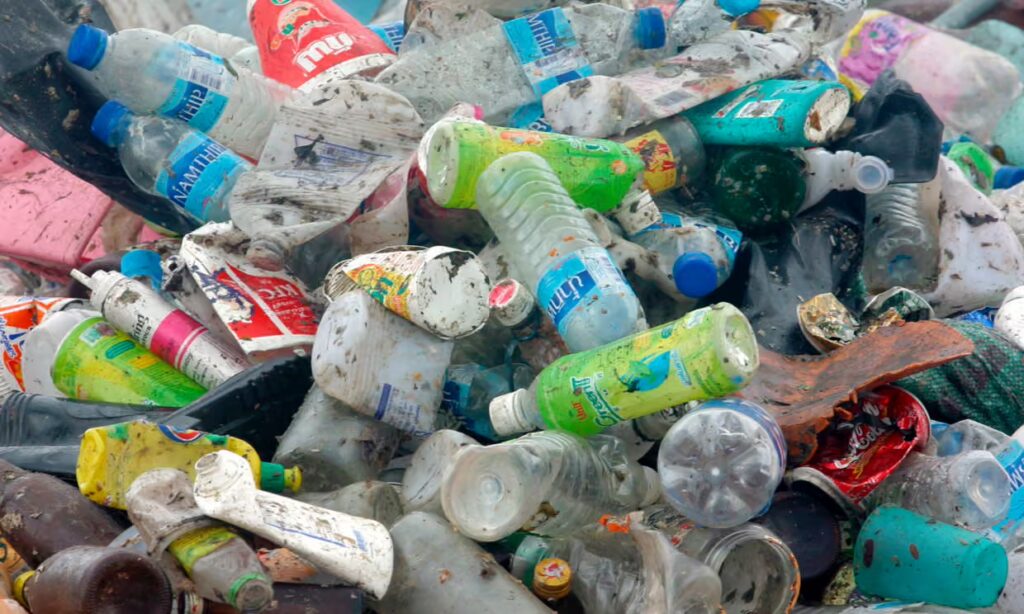
A pile of plastic bottles at a rubbish dump in Chiang Mai province, northern Thailand. Photograph: Rungroj Yongrit/EPA

References

US, Guardian. “Guardian US.” Microbes Discovered That Can Digest Plastics at Low Temperatures, apple.news/Al4_8ogEUT8ekE7bQuCDylQ

Juno Beach Headquaters

I loved being able to share my experience at my NextEra Internship with this blog, however we spent the remaining time at the headquarters in Juno Beach, FL and I was unable to document it. They did not allow us to take pictures, but it was one of the most unique buildings I have ever been in. Unlike the labs, the headquarters gave me a broader perspective of how all the different teams—nuclear, wind, and solar—fit together with business management and finance. It was much more about strategy and coordination, but it still carried the same spirit of innovation I had seen in the prior week.

Kyoto Gardens Location

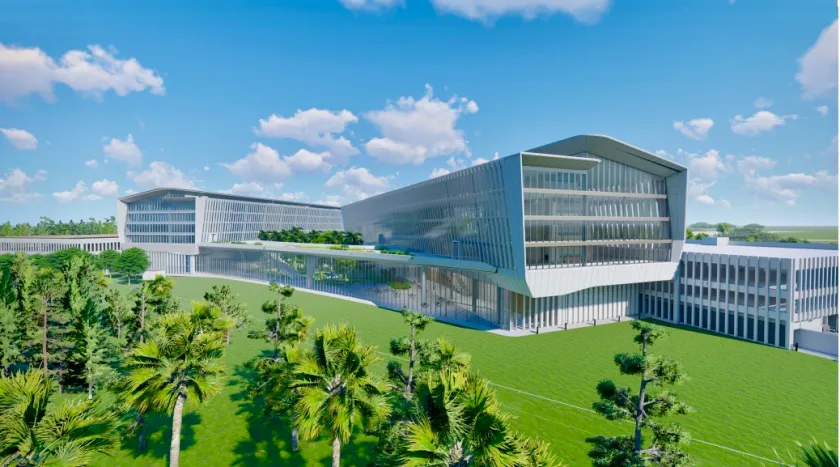
We also visited the new Palm Beach Gardens (Kyoto Gardens) location, which had a similar emphasis on creativity and problem-solving. This brand new building was created to withstand Category 5 hurricanes—suitable to house all of the storm teams during a hurricane. What I found most interesting about this building was that they built it so that every room in the entire facility had access to natural light. Being in both of these places showed me how the hands-on work I observed earlier connects to the bigger picture of NextEra’s mission. Overall, this internship gave me an inside look at both the technical and organizational sides of clean energy. With that, my NextEra experience came to an end, but it was an incredible opportunity to learn and see how engineering can drive change.

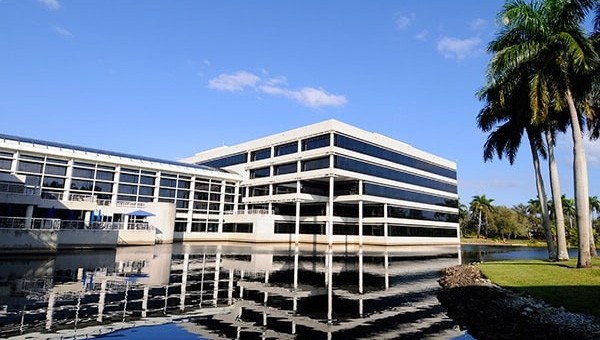
This is the headquarters building in Juno Beach, FL. The entire facility is surrounded by water and a scenic walking trail. (Picture Source: https://www.nexteraenergy.com/about-us/our-history/environmental.html)
This the new building on Kyoto Gardens Drive. I anticipate it to become the new headquarters eventually, as NextEra is ever growing and this is a much larger location with the space for many more employees. (Picture Source: https://ongardens.org/2022/08/01/exclusive-fpl-seeks-to-build-second-building-at-gardens-site/)

Pololū Valley

This summer I had the privilege of going to Hawaii. While still vast with beaches, they could not be more different from the beaches we have here in Florida. The cliffside edges, the color of the sand, and, as always, the material makeup of the sand. The typical flat, minutes long walk we take to the beach could not be more opposite that the 2000 meter hike we had to take down from the top of the cliff to reach the beach. The beach we visited in Hawaii is called Pololū Valley on the Big Island. Pololū is the northernmost of a series of erosional valleys forming the east coast of Kohala Mountain. While not every beach in Hawaii is a black sand beach, Pololū Valley met all of our expectations: the dichotomy of the black sand meeting the crashing waves, the scorching sun hitting the darker colored sand beneath our feet, and the towering cliff sides covered in greenery complementing the surrounding rocks. Black sand beaches, like this one in Hawaii, are primarily composed of basalt, a dense volcanic rock. When molten lava meets the cool ocean, it quenches rapidly, shattering into fine, glassy fragments. Over time, wave action breaks down these volcanic shards into sand-sized particles. This is an example of mechanical weathering and thermal shock, where rapid cooling induces fracture and brittleness in otherwise tough volcanic glass.

White Sand Beaches

On the other hand, Florida’s white sand beaches are made mostly of quartz (silicon dioxide) and crushed calcium carbonate from coral and seashells. Quartz is highly chemically stable, which means it resists weathering and remains bright and white even after long periods of erosion. These grains have been transported over millennia by rivers and wind, polished down to a smooth texture. What’s fascinating from a materials science standpoint is how these sands differ not just in color but also in thermal properties, hardness, and reflectivity. Black sand absorbs more heat due to its lower albedo, making it much hotter to walk on. White sand reflects sunlight, staying cooler underfoot. The angularity and composition of volcanic sand can give it a coarser texture, while quartz-rich sands are typically smoother and finer. Shaped by heat, pressure, erosion, and time, their colors tell a story not just of geography, but of the structure and behavior of materials on Earth’s surface.

References

“Basalt.” Minerals Education Coalition, www.mineralseducationcoalition.org/minerals-database/basalt

USGS. “Coastal Erosion and Sand Composition.” U.S. Geological Survey, www.usgs.gov/special-topic/coastal-and-marine-geology/science/sand-composition-and-erosion

Day 5

The Circuit Card Lab we were in yesterday solely worked on nuclear parts. However, the Circuit Card Lab we were in today provides parts for solely wind and solar sites. Since nuclear plants present such significant risks compared to wind and solar sites, the parts going to these plants require much more testing. If something were to go wrong in the plant, the liability would be solely on the Technical Services Lab and they would lose all of their credibility—clearly not a good thing. Solar and wind do not have these same risks attached. They obviously need to thoroughly test the parts they produce, but when the nuclear Circuit Card Lab sends hundreds of parts to sites a year, the renewable CCL sends thousands. A wind site is a group of wind turbines that convert wind energy into electricity. Each turbine has large blades connected to a rotor, which spins when the wind blows. This rotation drives a generator inside the turbine that produces electrical power. I mentioned in my post from Day 1 that solar panels need to convert DC to AC in order to use sunlight as usable energy. Wind turbines present a similar challenge. The electricity generated by wind turbines is AC, but it varies in frequency and voltage depending on the wind speed. Because this power isn’t immediately compatible with the stable AC used in homes and on the grid, it’s first converted to DC and then inverted back to standardized AC using an inverter. This process ensures that the electricity produced is reliable and matches the grid’s requirements. The Circuit Card Lab supports these wind sites by repairing and maintaining the electronic components that control and monitor the turbine systems. A common item being the inverter. By diagnosing and repairing faulty parts, rather than replacing entire systems, the CCL helps reduce costs, minimize turbine downtime, and extend the life of key equipment. This support ensures that wind turbines continue operating efficiently and reliably, even in remote or harsh environments where quick part replacements may not be possible.

3D Printing

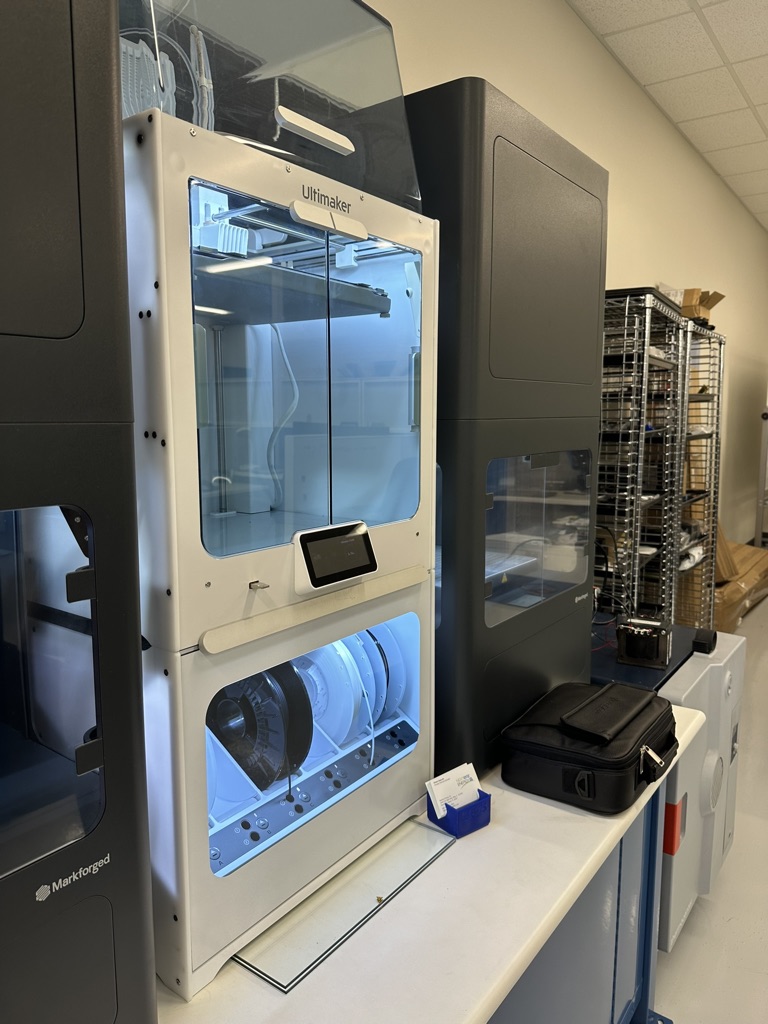
Despite spending most of the day with the CLL, we also had the chance to look at the Innovation Team’s array of 3D printers. There are always issues to be solved in the renewable sites they deal with, and sometimes it is easiest to just create something completely new to solve the problem. A digital design is first needed to print the product, but truly anything can be created. 3D printers are machines that create three-dimensional objects by adding material layer by layer based on a digital design. While most 3D printers use plastic filament, more advanced versions can print with metal powders through a process called metal additive manufacturing. These metal 3D printers use lasers or electron beams to fuse fine metal powder into solid parts, allowing for the creation of strong, complex components used in industries like aerospace, automotive, and energy. I found it fascinating that you can print metal.

Special Projects

For the other half of the day we were with the Technical Services Special Projects Team. They handle the entire financial aspect of TS. Using the data presented to them by the analysts from each team at Technical Services, they calculate the total savings for each group and the entire facility. Since TS does not actually earn any profit and just save money for NextEra, Special Projects tracks this savings. They help the company stay on track with their goal. Year to date they have saved over 19 million dollars worth of energy supplies and plan to save over 40 million dollars by the end of the year. Overall, this was such a great experience. I have learned so much about engineering and the different routes you can take—the options are quite literally limitless. While this was my last day interning at the Technical Services Lab, this isn’t the end of my journey at NextEra. I am excited to keep learning and keep sharing the inner workings of this fascinating company in the weeks to come.

This is the renewable Circuit Card Lab.
These are some of the 3D printers they have.

Day 4

There are two sides to the Technical Services Lab: nuclear energy and renewable energy. We have spent the past two days with the nuclear teams, but today we spent the day with renewable teams. While they still work with some nuclear plants, they also work for solar and wind sites. We were in the Reverse Engineering and Circuit Card Labs. CGD (the nuclear group I mentioned in my previous posts) creates individual parts used in larger circuits, whereas these labs create the entire necessary circuits/circuit boards. The Reverse Engineering Lab focuses on analyzing and replicating components, especially when original documentation or replacements are unavailable. Really old parts tend to have obsolete manufacturers. The whole goal of Technical Services is to save money for the company by producing parts in house rather than buying them at higher prices. With these nonexistent manufacturers, old parts are hard to come by unless you want to pay a ridiculous amount of money and wait a ridiculous amount of time. Something that would take months to be delivered can be created in days for tens of thousands of dollars cheaper. The Technical Services Lab overall saves NextEra the two most valuable things: time and money. This process in the Reverse Engineering Lab involves disassembling and studying parts to understand their design and functionality. Such efforts are crucial for ensuring the continued operation of energy systems and for developing compatible replacements that meet the standards.

Circuit Card Lab

The Circuit Card Lab specializes in the maintenance and repair of printed circuit boards (PCBs) and related electronic components. Technicians in this lab are responsible for disassembling, assessing, repairing, and testing PCBs, power supplies, and various electronic devices. Their work ensures that electronic systems function correctly and reliably. This is essential for all of the energy systems they have to deal with. As one of the largest clean energy companies in the United States, NextEra Energy relies on highly technical support like this to maintain the performance of its vast network of nuclear, wind, and solar facilities across the country. With a strong focus on innovation, reliability, and sustainability, NextEra’s technical teams play a key role in time management, reducing costs, and ensuring safe energy delivery to millions of customers. The work done in the Circuit Card Lab directly supports this mission by extending the life of critical components and helping to modernize the sites with efficient, hands-on solutions.

This is the Reverse Engineering Lab (if you look really closely, you can see a Materials Girls note that I gave on of the technicians after our field trip in 2023 – it’s displayed on his desk!)
NextEra Energy ISC Technical Services